
Thoughtful psychiatric prescribing built on measurement, not guesswork. We start by listening, match the medicine to how you actually feel, and carefully taper what isn't helping anymore. Your plan is individual, built to fit you.
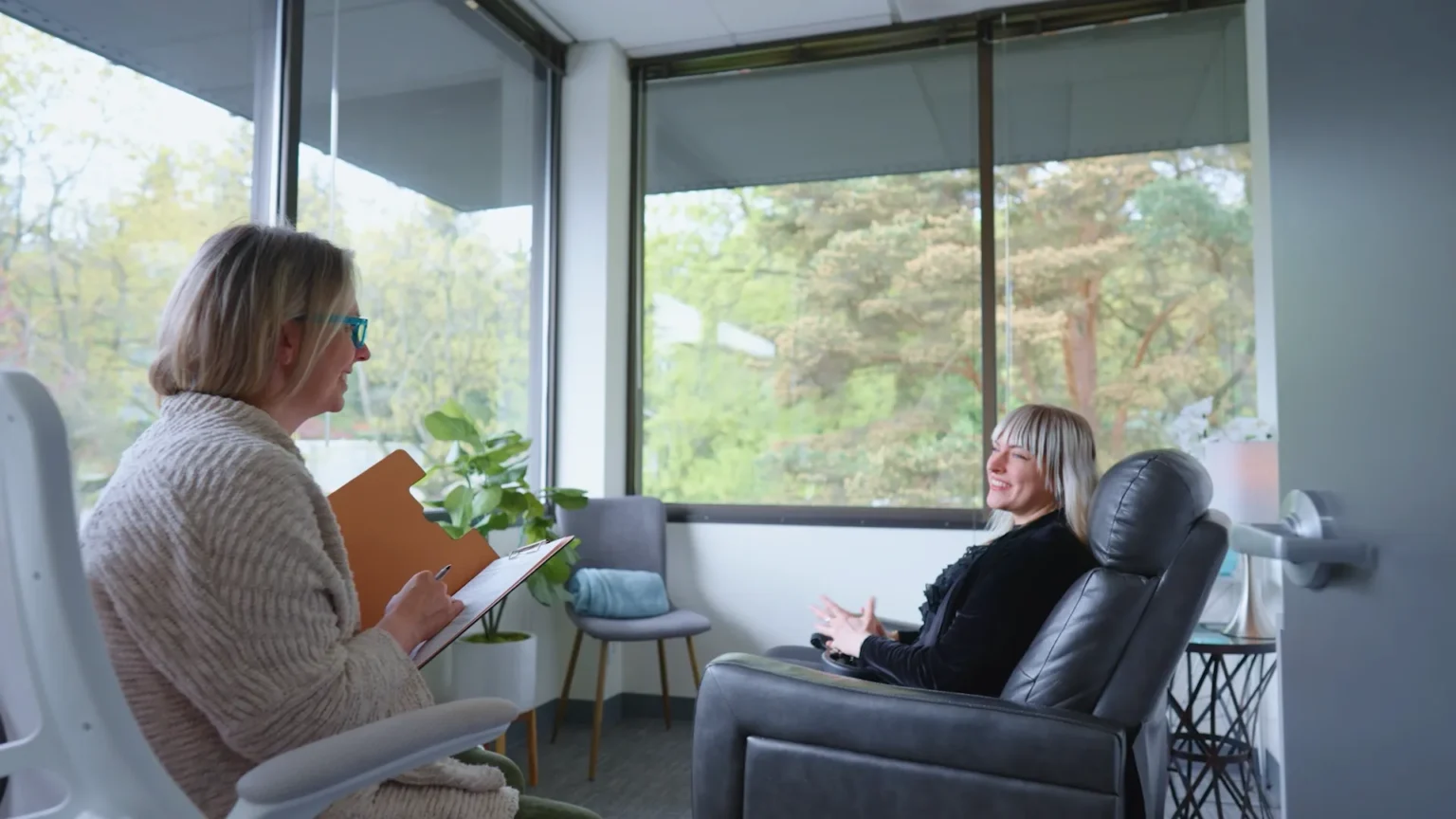
Good prescribing isn't about reaching for the next pill. We take time to understand your history, your goals, and how you feel day to day. Then we build a plan that fits you, and we adjust it as life changes.
A simple rhythm, and it moves in one direction — toward less medication, fewer visits, and you needing us less. That's the NWHW way.
A relaxed intake visit to understand your story, symptoms, what has and hasn't worked.
Together we match medicine to your goals — starting low and going slow when that's the safest path. Moving faster when needed.
Scheduled check-ins and easy messaging, so we can adjust quickly if something feels off.
As you stabilize, visits step down in frequency and cost, toward the smallest plan that keeps you feeling your best.
STAR*D, one of the largest real-world depression studies ever run, followed thousands of people as they tried one medication after another. The pattern is clear: after the first try or two, simply swapping to yet another pill helps fewer and fewer people. That's exactly why we slow down, listen, and review before we change anything.
Reach remission on their first antidepressant. A real chance, but far from a guarantee.
By the third medication, the odds of remission have dropped sharply.
Medicines stopped suddenly. When something needs to come off, we always taper slowly.
Source: STAR*D, NIMH (Rush et al., 2006). Remission means symptoms fully settle, not just improve. This is why thoughtful review, and sometimes deprescribing, can matter more than another switch.
Sometimes the bravest, healthiest move is taking something away. Deprescribing means safely lowering or stopping a medicine that's no longer helping, or that may be causing side effects. Over time, medications tend to stack up — each made sense when it was prescribed, but nobody has stepped back to ask if they're all still needed. And when treatment works and you're feeling better, some of them may no longer be. We never stop a medicine suddenly.
We look at every medicine you take and why, together.
We lower the dose in small, careful steps over time.
We check in often and pause or adjust if you need it.
For when your plan needs real work: starting, switching, or untangling medications. We meet often and adjust quickly.
As you're responding, we space visits out, confirm the gains hold, and start simplifying.
Long-term, low-touch oversight. Refills stay current and your care stays supported. If needs arise, move back up without starting over.
With insurance, you pay your plan's visit cost — often just a copay — and we verify your benefits before you start. The rates above are our flat monthly self-pay option, month-to-month with no commitment. Your provider recommends phase changes based on validated symptom measures and how you're actually doing. Moving down is the goal, and moving back up is always available
We're in-network with Regence and Cigna, and many other plans cover psychiatric medication management as well. Share your insurance details and we'll verify your benefits and tell you your expected cost before your first visit — no surprises. If your plan doesn't cover it, our flat monthly rates keep self-pay simple and predictable.— and if we are out-of-network, we make self-pay simple and predictable.
We're in-network with Regence and Cigna — for those plans you pay your normal visit cost, often just a copay. Other plans frequently cover part of these visits. We verify your exact benefits before you start.
No coverage, or prefer not to use insurance? Flat monthly rates apply (above), we can provide a superbill for possible out-of-network reimbursement, and CareCredit is available if you'd like to spread the cost.
Coverage and out-of-pocket costs vary by plan. Our team will confirm your specific benefits before you begin, with no obligation.
We offer medication management at all three clinics, with most visits by video so you can meet from anywhere.